Charming Penguin Illustrations: Adding Playful Appeal to Your Projects
There’s a certain magic in a well-drawn penguin illustration. It’s not just about the black and white plumage or the waddling gait; it’s about the instant, universal sense of charm and personality that these creatures convey. This inherent appeal is precisely why cute penguin illustrations have become such a valuable asset in the world of design and animation. They serve as a versatile visual shorthand for warmth, friendliness, and approachable professionalism, making them far more than just a decorative element.
Understanding the Visual Language of a Penguin Character
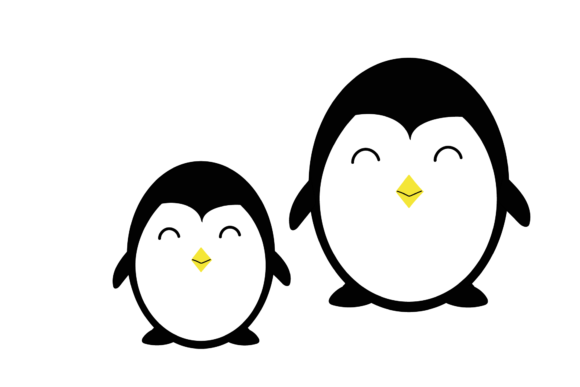
A successful penguin illustration, whether destined for a static logo or a fluid animation, relies on a few key visual characteristics. The style often leans into modern typography principles of simplicity and clarity, even in character form. Rounded shapes, soft edges, and expressive eyes are fundamental. The personality is built through posture and gesture—a curious tilt of the head, a flustered flipper motion, or a confident, upright stance. The overall appeal lies in this balance between realism and stylization; it feels familiar yet delightfully crafted. For a designer, this isn't just a creative font for images; it's a core component of a visual identity, a piece of design assets that can anchor an entire brand's tone.
Where Penguin Illustrations Truly Shine
The applications for these charming characters are surprisingly diverse, extending well beyond children's products. In brand identity, a penguin icon can soften a corporate image, making a tech company or a financial service feel more human and trustworthy. Think of a mascot for a children's hospital, a friendly guide for a mobile app's onboarding process, or the central figure in a logo design for a cold-climate brewery. Their versatility is their strength.
- Digital & Web Design: They excel as website mascots, animated loading icons, or engaging elements in UI/UX. A winking penguin can guide users through a form, while a celebratory one can mark a successful transaction, boosting audience engagement.
- Marketing & Social Media: In the crowded space of social media graphics, a cute penguin stops the scroll. They are perfect for creating cohesive campaign visuals, animated stickers, or relatable reaction GIFs that enhance shareability and brand recall.
- Publishing & Editorial Design: Children's books are an obvious fit, but penguins also add a touch of whimsy to magazine infographics, educational materials, or even a quirky column header in a editorial design layout.
- Packaging & Print: On product packaging design, especially for food, beverages, or stationery, a penguin illustration can convey quality and care. It becomes a recognizable mark on the shelf, influencing brand perception before a word is read.
- Animation & Motion Graphics: This is where penguin illustrations come alive. Their natural body language provides a fantastic foundation for character animation. A simple walk cycle, a head bob, or a flipper wave can convey emotion and narrative without a single line of dialogue, making them invaluable for explainer videos, animated logos, and interactive media.
Practical Guidance for Using Penguin Illustrations Effectively
Integrating a penguin character into your project requires thoughtful consideration, much like selecting a premium font. It's not just about finding a cute image; it's about finding the right fit for your message and audience.
Evaluating Fit and Style
First, assess the illustration's style against your project's tone. Is it a minimalist, geometric penguin suited for a sleek tech brand, or a soft, textured, hand-drawn one that would feel at home on artisanal product packaging? The style must align with your broader design assets and existing brand identity. A mismatched illustration can create visual dissonance and undermine professionalism.
Consistency is Key
If you plan to use the penguin across multiple platforms—from your website to your social media avatars to printed materials—ensure you have access to a consistent set of illustrations or the source files to create them. Consistency in line weight, color palette, and proportional style is what builds recognition. A penguin that looks one way on your Instagram and subtly different on your invoice can confuse your audience.
Technical and Licensing Considerations
Always review the licensing terms of any illustration pack, especially for commercial font and asset use. Can you modify the illustrations? Are there restrictions on use in merchandise? For animation, check if the source files (like .AI or .PSD with layers) are provided, as this is crucial for animators to rig and move the character smoothly. This due diligence is a non-negotiable part of the professional design process.
Ultimately, a well-chosen penguin illustration is a powerful tool. It injects personality, fosters emotional connection, and communicates values of friendliness and reliability. In a landscape often dominated by stark minimalism, the deliberate use of such a character can be a strategic differentiator, making your project not just seen, but remembered. It's about leveraging that innate charm to build a more engaging and human-centered visual experience.