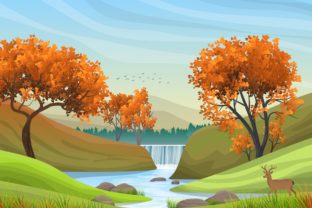
Nature Landscape Illustrations: Capturing Seasonal Beauty
There’s a certain magic in the way a landscape changes with the seasons. The vibrant, saturated greens of summer give way to the warm, fiery palette of autumn, transforming familiar scenes into something entirely new. For designers, content creators, and business owners, capturing this essence of nature is a powerful way to connect with an audience. Nature Landscape Illustrations offer a versatile and evocative toolkit, providing high-resolution digital assets that bring the tranquility and dynamism of the outdoors directly into your creative projects.
The Visual Character: More Than Just a Pretty Picture
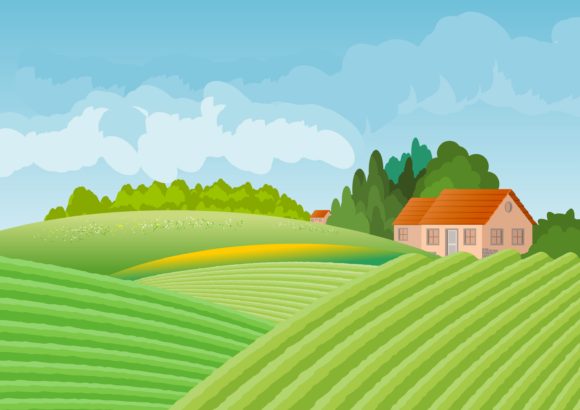
At its core, a Nature Landscape Illustration is a stylized depiction of a natural scene, often featuring elements like flowing rivers, cascading waterfalls, lush forests, and rolling hills. The key distinction from a photograph is the artistic interpretation. These illustrations carry the personality of the artist's hand—whether it's through soft, painterly textures, clean vector lines, or detailed digital brushwork. This stylistic approach allows for a level of emotional resonance and thematic focus that a raw photograph might not achieve.
The appeal lies in their adaptability. A single illustration of a river valley can be presented in two distinct colorways: a summer version bursting with life, using bright greens, sky blues, and sunlit yellows, and an autumn version rich with amber, rust, gold, and deep burgundy. This seasonal duality isn't just a nice feature; it's a practical design asset. It allows a brand to maintain visual consistency while subtly shifting its mood and messaging with the time of year, perfect for seasonal marketing campaigns, blog headers, or social media content calendars.
Practical Applications: Where These Assets Shine
The true value of a high-quality illustration pack is in its application. Provided in formats like JPG and PNG with large dimensions and high DPI, these files are built for professional use. The PNG format, with its transparent background, is particularly invaluable. It lets you layer the landscape element over other design components, text, or solid colors without a clumsy white box, integrating seamlessly into complex layouts.
Consider the scope of projects that benefit from this flexibility:
- Brand Identity & Marketing: For businesses in wellness, outdoor recreation, travel, or eco-friendly products, these illustrations can form the cornerstone of a visual identity. Use them on your website hero section, in brochure layouts, or as background textures for packaging design. The seasonal variations help keep your brand's look fresh and relevant throughout the year.
- Digital & Editorial Design: Bloggers and publishers can use these as stunning featured images or chapter headers. The high resolution ensures they look crisp on retina displays and in digital magazines. The calming, natural aesthetic is perfect for articles on mindfulness, travel guides, or environmental topics.
- Social Media & Content Creation: In the fast-scrolling world of social media, a beautiful, evocative landscape stops the thumb. Use them as backgrounds for quote graphics, promotional announcements, or video thumbnails. The consistent style across summer and autumn versions helps build a recognizable visual feed on platforms like Instagram or Pinterest.
- Print & Physical Products: The high DPI makes these illustrations suitable for print-on-demand products like poster art, notebook covers, greeting cards, or even fabric patterns for crafters. They offer a ready-made, professional aesthetic that can elevate a hobbyist project into a sellable product.
Integrating Nature into Your Design Workflow
Choosing to incorporate a Nature Landscape Illustration into your project is the first step. The next is ensuring it works in harmony with your other design elements, particularly typography. The goal is to create a cohesive visual hierarchy where the illustration supports your message rather than overwhelming it.
If your landscape illustration is detailed and textured, pair it with a clean, modern sans-serif font for body text to ensure maximum readability. For headings, you could opt for a strong serif font to add a touch of classic elegance, or even a subtle script font for a more personal, handwritten feel—provided it remains legible. Testing different font pairings is crucial. Lay your chosen typeface over the illustration at the intended size to check for contrast and clarity. Does the text remain easy to read against the busy backdrop of a waterfall or a forest canopy? Sometimes, placing the text in a semi-transparent box or a solid color panel pulled from the illustration's palette is the most effective solution.
When evaluating the asset pack, look beyond the main files. Check if the provider includes variations or isolated elements. Does the pack offer the river and waterfall as separate components? Are there different color palettes beyond the two main seasons? This kind of modularity extends the utility of your purchase, allowing you to build a wider range of compositions from a single source. Finally, always verify the commercial licensing. Ensure the terms permit your intended use, whether for a client project, a product for sale, or a personal blog. Respecting the licensing not only keeps you legally sound but also supports the artists who create these valuable design assets.
Ultimately, leveraging assets like Nature Landscape Illustrations is about making a strategic choice. It's about recognizing that a powerful image can do more than decorate—it can set a tone, tell a story, and build a deeper connection with your audience by tapping into the universal appeal of the natural world. By selecting the right style, applying it thoughtfully, and pairing it with complementary typography, you transform a simple illustration into a cornerstone of effective visual communication.